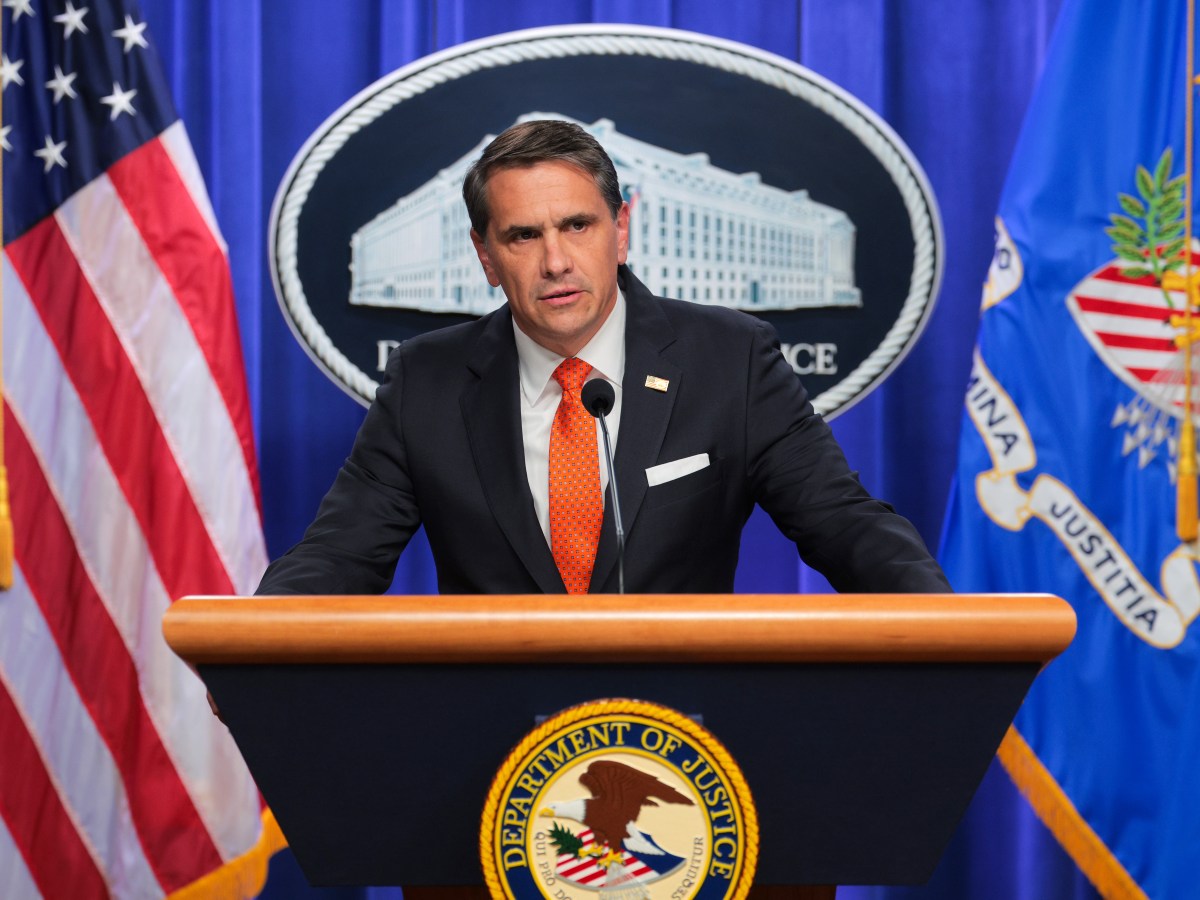
The U.S. Department of Justice has notified several Georgia counties it intends to station monitors there on Election Day.
Bibb, Cobb, Chatham, DeKalb, Fulton and Gwinnett counties have received notifications from the Justice Department. Each of those counties has produced solid wins for Democrats in recent elections.
The Justice Department routinely sends election monitors to polling locations to ensure compliance with laws and that voters’ rights are protected. But given the Trump administration’s actions to assert more federal control over elections and investigate the president’s 2020 election grievances, the notices have raised concerns among Democrats and some election officials about what the monitors might try to do in November.
Every campaign season, especially ones as intense as this one, will churn up stories that aren’t so much about lying or scandal or low-rent tactics as they are simply some mix of desperate, weird and hilarious. The one I’m about to share manages to be all of those but mainly just hilarious and weird. Let’s go to Pennsylvania’s 10th congressional district, where longtime Freedom Caucuser and election denier Rep. Scott Perry (R) appears to be in the race of his life. Members of the Freedom Caucus, as you’d expect, are usually from very, very red districts where you can indulge the Freedom Caucus lifestyle with few electoral repercussions. But that’s never really been the case with Perry. Cook Report says it’s an R+3 district and Perry beat Janelle Stelson, a former local news broadcaster, by only 5,000 votes in 2024, hardly a strong Democratic year.
Stelson is challenging Perry again this year and now most polls show him running behind.
So he has a new campaign attack: Stelson walks around naked!
Earlier this month I wrote a piece entitled Friends Don’t Let Friends Watch the Early Vote. I wanted to re-up that recommendation, notwithstanding the fact that I have kept an eye on these findings, as I always do. The simple fact is that all of these efforts amount to figuring out how big a share of the pie you have before you know how big the pie is. That doesn’t mean you can’t glean anything by analyzing these things or that the knowledgable people doing it are silly or mendacious. They’re not. It’s just that you can’t draw any firm conclusions from it and our desire to see what we want in these entrails greatly outweighs the hints we can get from them. As I noted before, this is especially the case because the partisan dynamics of who votes early, in person, by mail, on Election Day, etc., is in so much flux.
There are lots of arguments about “prediction markets.” Some of the most important are about the opportunities they create for corruption and the general social ills tied to what is essentially gambling. But the one that perpetually puts a bee in my bonnet is the frequently-advanced idea that prediction markets are superior to polls as predictors of election outcomes. I was reminded of this by the upset Lula win in yesterday’s Brazilian presidential election. Kalshi had candidate Flávio Bolsonaro with 76% odds of winning until the first returns came in and he lost. Obviously, polls and every other kind of prognostication have misses too. Those don’t discredit the whole enterprise. The problem with the argument about prediction markets and polls is both empirical and logical. Empirically they do not appear to be better. But the comparison is difficult if not impossible since polls don’t generate odds or probabilities. They approximate current levels of support. It’s easy to look fast and think those two things are the same. But they’re not. Logically, prediction markets cannot be “better” than polls since they are mostly derivative of polls; they are overwhelmingly reliant on polls.
So here we are. So much of the last 24 months has been about the Trump opposition rebuilding its energies, pacing its morale, marshaling its resources, building walls as firm against autocracy as possible with no power in Washington and preparing for the shot at reclaiming as much of that power as possible. In a week and a day we’ll get the first measure of the results. And we’ll get our first look at how the table is set for the next two years.
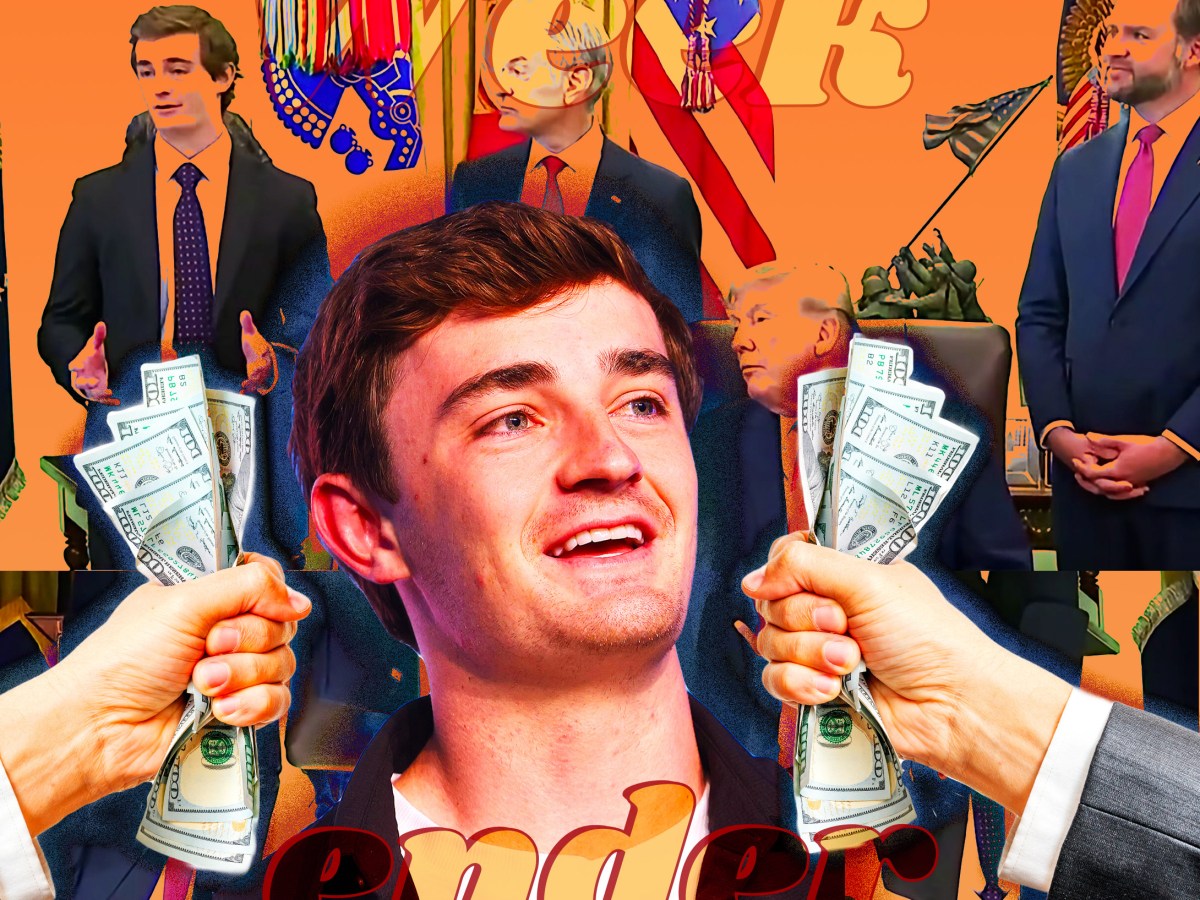
I wanted to return to the topic we discussed at the end of last week — the Democratic email and text fundraising colossus — but now from a different perspective. I wrote a response to Adam Bonica and Jake Grumbach’s piece in The New Republic about all the problems with the system. While I don’t agree with every point, it’s a very valuable article and points toward at least two straightforward if challenging-to-implement reforms. But we also shouldn’t lose sight of what an amazing accomplishment and how incredibly needed Democratic small donor fundraising is. It is a genuinely mass-based, non-oligarch system of funding political campaigns at a time when the Supreme Court has given billionaire oligarchs free rein to buy campaigns and offices at scale.
Want to keep reading?
Join TPM to get full-access to our reporting, newsletters, and other member-only features.
Nearly two hours of oral arguments just concluded in the California election case, and it looks very unlikely that the Trump administration is going to prevail in this early stage of the litigation.
In an unusual Sunday afternoon session conducted via Zoom, the 9th Circuit Court of Appeals weighed whether to order Los Angeles County to segregate and not yet count the mail-in ballots of alleged noncitizen voters from a dubious list of 20,000 voters compiled by the Trump administration.
Following an usual Sunday afternoon oral argument, the 9th Circuit Court of Appeals has rejected for now the Trump DOJ’s bid to interfere in California’s midterm election.